
EA License (CBDU596771)
EA License (CBDU596771)

Rachel writes practical guides on skip hire, waste removal, and responsible disposal in the UK. She explains what you can legally put in a skip, how to handle restricted waste, and what it really costs. Her goal is to give clear, up-to-date advice so households and trades stay compliant and avoid fines.
Reviewed by: Skip Hire Team Waste Compliance Manager | Upper Tier Waste Broker Licence CBDU596771
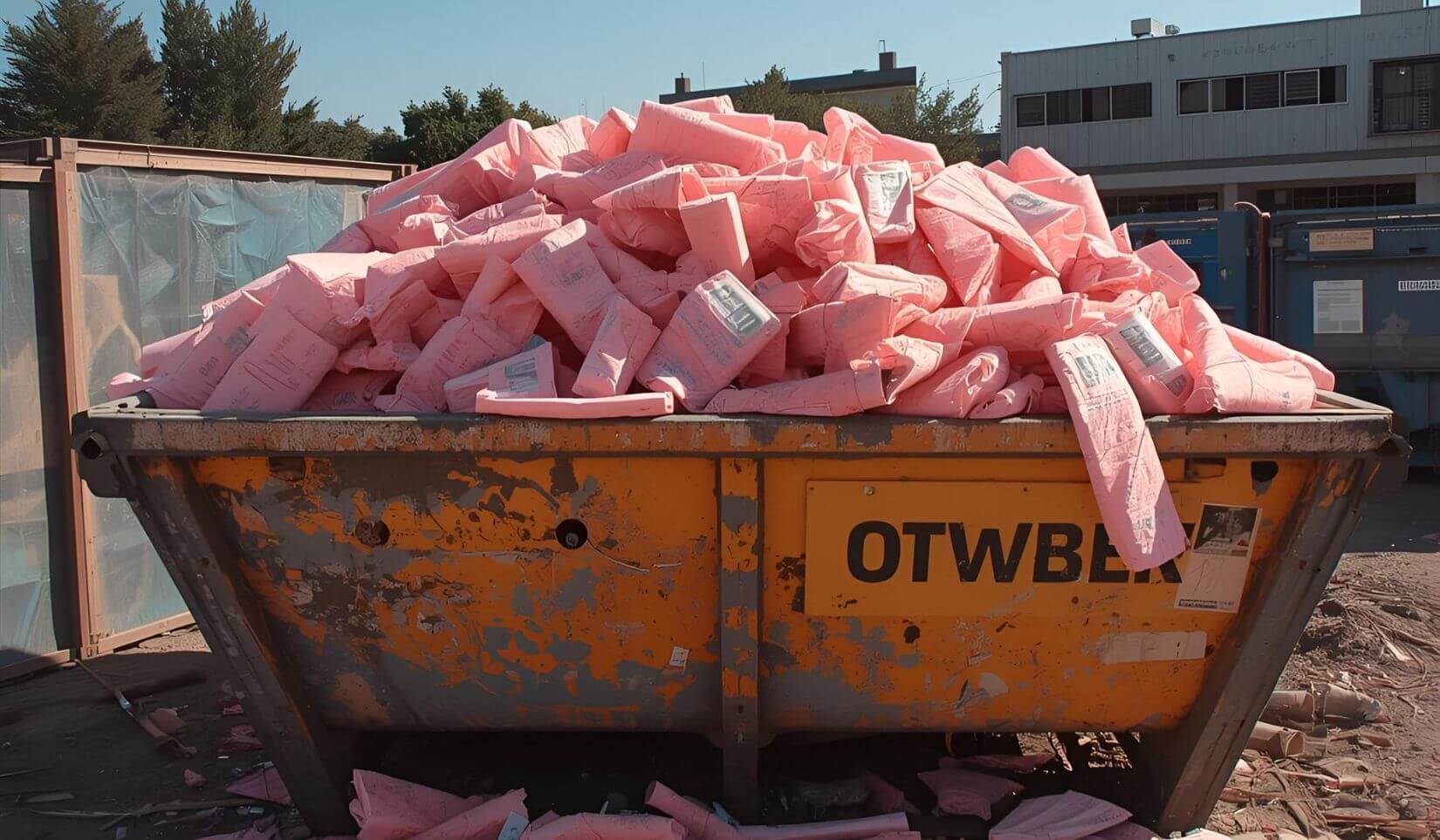
Confused about what type of insulation material can go in a skip? This is a common question when clearing a loft, renovating a property, or upgrading your home.
As a professional local skip hire provider, we will guide you on what material can and cannot go in a skip, according to UK waste regulations and common industry practices.
It may be found in older properties, which can appear in:
These cannot be placed in a standard skip. They require licensed handling and disposal permission under hazardous waste. These fibres can cause:
Note: If you suspect any kind of asbestos, then do not touch it and call professionals.
Both open-cell and closed-cell spray foam have the same disposal problems. Due to chemical composition, it is difficult to recycle, and there is also a risk of contaminating other waste in a skip
Note: Inform your skip provider in advance if you have spray foam, because many skip companies do not accept it and may require specialist hazardous waste disposal.
Insulation guidelines: what can or cannot go in a skip
|
Insulation type
|
Skip allowed?
|
Conditions
|
|---|---|---|
|
Fiberglass (glass wool)
|
Sometimes
|
Must be bagged; many skip companies require prior approval.
|
|
Mineral/Rock wool
|
Sometimes
|
Needs to be dry and sealed; approval required.
|
|
Cellulose
|
Sometimes
|
Must be clean; confirm first.
|
|
Cotton/Sheep wool/Hemp
|
Sometimes
|
Must be clean; provider permission needed.
|
|
Polystyrene
|
Ask First
|
Volume restrictions may apply.
|
|
Spray Foam
|
Often No
|
Requires specialist removal
|
|
Asbestos
|
Never
|
Licensed disposal only.
|
(Only if your skip provider has agreed to accept it.)
Insulation takes up a lot of space but they are often lighter in weight, like mineral wool or foam boards. Here is a breakdown to figure out the right skip size for insulation:
|
Project type
|
Waste volume
|
Recommended skip size
|
|---|---|---|
|
Small room/cupboard/loft( e.g., thin layer of insulation from a small loft space)
|
10 to 30 bin bags
|
|
|
Medium/ Partial loft( e.g., clearing insulation from a medium-sized room with some other waste)
|
40 to 80 bin bags
|
|
|
Full house or whole house renovation
|
80+ bin bags
|
Inappropriate disposal can lead to:
In a standard skip you cannot dispose of all types of insulation, especially hazardous materials like asbestos and mostly spray foam. Below are the alternatives for safer disposal:
Our team is always there to help you. If you are unsure, you can send us a description of the material along with a photo.
© 2026 Skip Hire Team. All rights reserved. Upper Tier Waste Broker: CBDU596771, Company Number: 15212663 VAT Number: 457394064